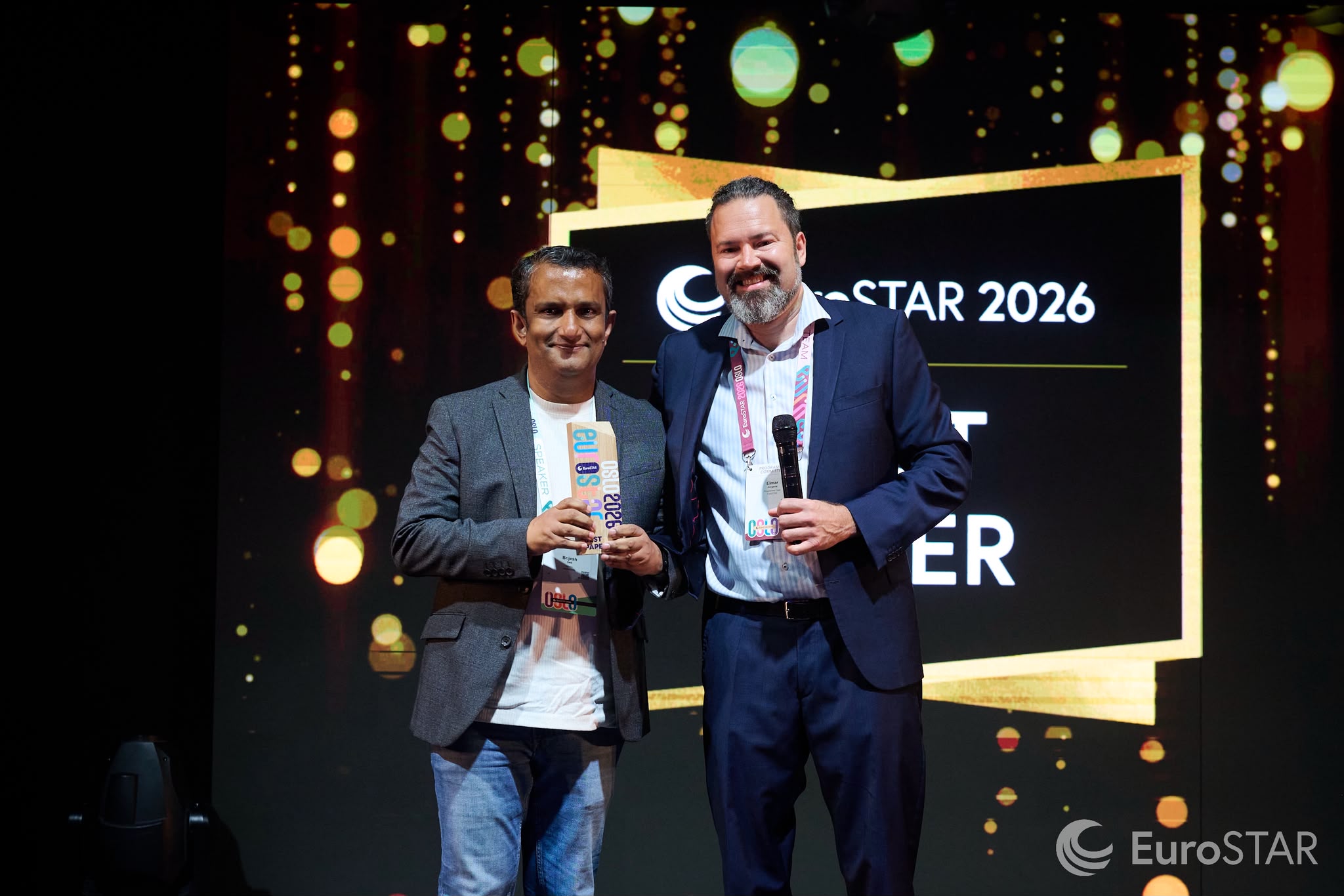
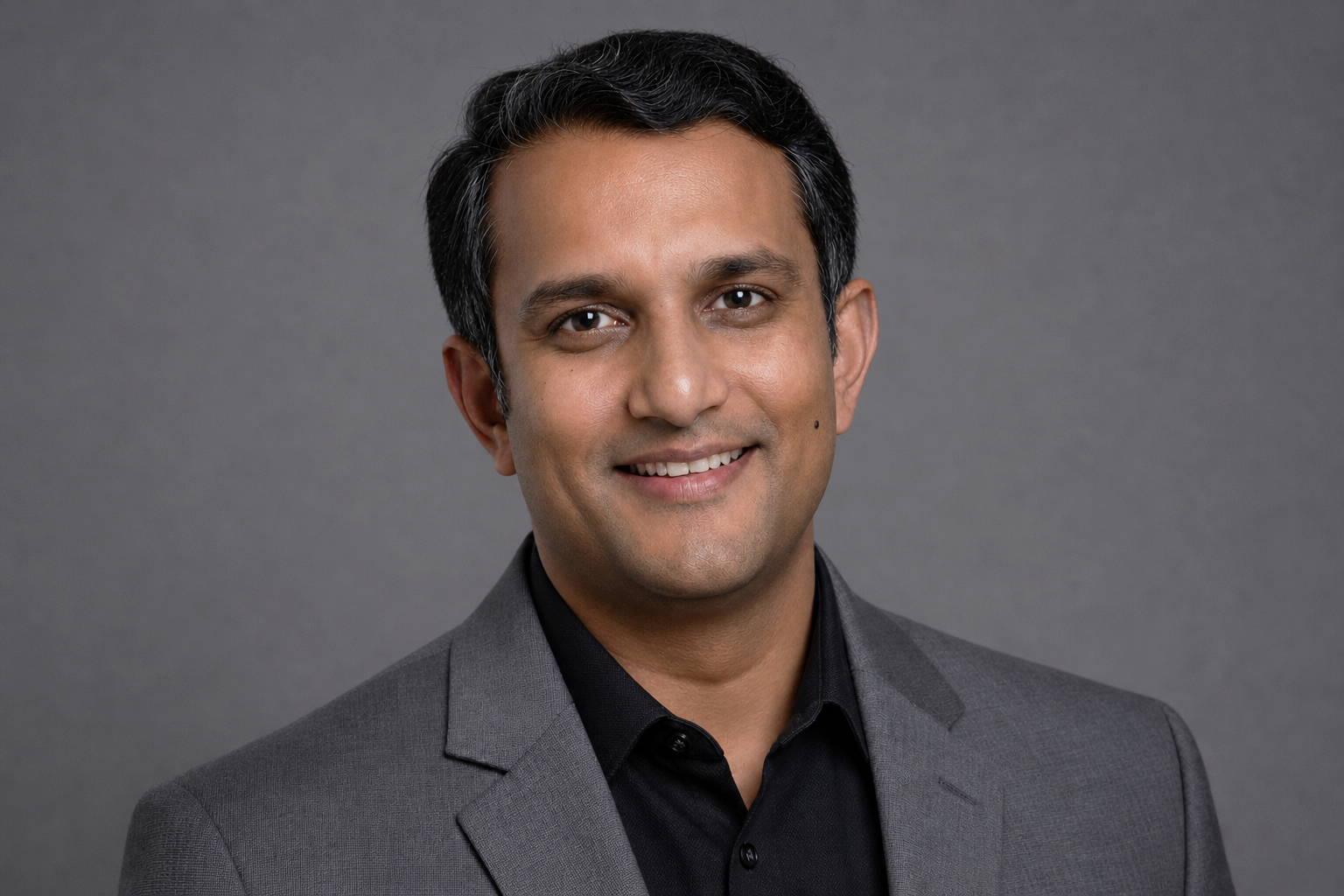
25+ years building, governing, and transforming quality across enterprise programs and consumer-facing product environments, including connected consumer products and IoT. Treats UX as a quality attribute with evidence behind it, not a late-stage design preference. Principal Consultant at Infosys. Founder of The Test Chat. Creator of TCQE and AQ ELEVATE.
Explore My Frameworks →"Brijesh doesn't just understand quality engineering. He understands what it takes to make quality work at the leadership level. That's a rare thing."
Senior Technology Leader · Global Enterprise
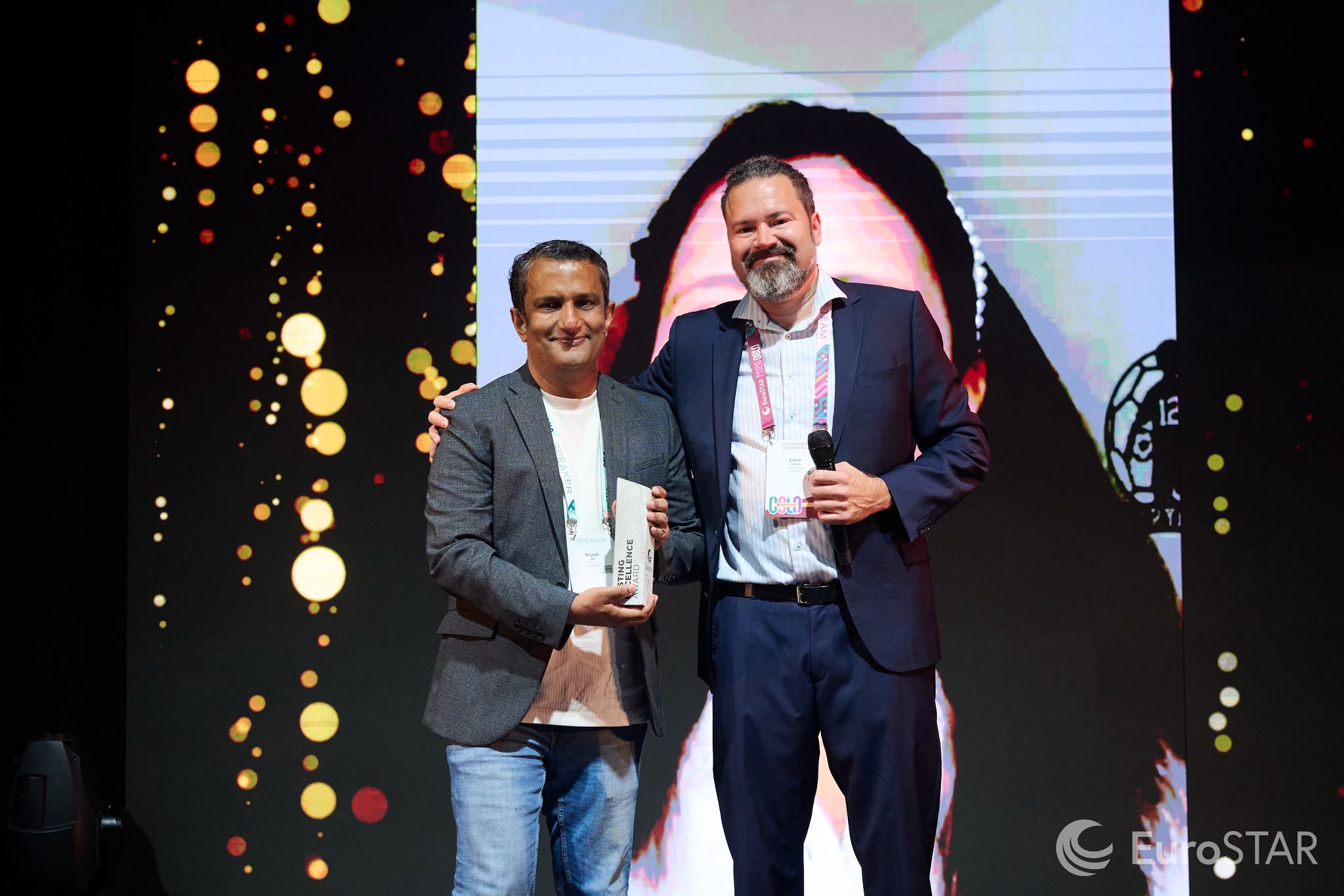
Governance structures, transformation operating models, and advisory that puts quality where decisions get made.
Explore advisory work →TCQE and AQ ELEVATE are not academic models. They were stress-tested in enterprise programs and designed to hold under pressure.
See the frameworks →Keynotes built around honesty, narrative, and substance. For audiences who have heard enough polished consultant slides.
Invite me to speak →The Test Chat is a global space for people who want depth over noise. 25,000+ members across 80+ countries.
Join the community →Quality problems rarely appear as testing problems at leadership level. They show up as delayed releases, weak confidence, expensive regression cycles, unreliable automation, unclear governance, AI risk, production incidents, customer dissatisfaction, and decision making based on incomplete evidence. These are the areas where I help leaders diagnose the real constraint and build practical ways forward.
Quality is still treated as testing activity in most large organisations, even when the business claims to be agile, DevOps, or product led. The blockers are structural and sit well upstream of the testing team. Operating model, governance, test data, automation strategy, delivery cadence. By the time a release is painful, you are several decisions upstream of where the fix needs to happen.
Outcome: stronger delivery confidence, better operating discipline, less dependency on late-stage heroics, and a quality function that can make a confident release decision without running a war room to get there.
Explore QE Transformation →Leaders are asked to approve releases based on dashboards, defect counts, and verbal confidence instead of defensible evidence.
Outcome: fewer blind releases, clearer accountability, better decisions under pressure.
Improve Release Confidence →Quality decisions are scattered across teams, tools, and opinions, with no clear ownership or escalation path.
Outcome: better visibility, faster decisions, fewer surprises hidden behind green status reports.
Strengthen Quality Governance →AI pilots look impressive, but leaders do not know whether the outputs are reliable, biased, explainable, safe, or production ready.
Outcome: safer AI adoption, stronger governance, less dependence on demo-level confidence.
Assess AI Quality Risk →Automation coverage is growing, but confidence is not. Test suites are noisy, slow, brittle, or disconnected from business risk.
Outcome: lower maintenance waste, faster feedback, automation that supports decisions rather than vanity metrics.
Improve Automation Value →Regression testing consumes time, delays releases, and still fails to give leaders clear confidence about what changed and what is at risk.
Outcome: shorter regression cycles, clearer coverage logic, better protection for critical business flows.
Redesign Regression Strategy →TMO or TCOE functions often become reporting layers or process police instead of value-generating quality capabilities.
Outcome: a quality function that scales, influences decisions, and shows measurable value.
Evolve Your TMO or TCOE →Teams test what is available or easy to automate instead of what could hurt customers, revenue, compliance, or trust.
Outcome: sharper prioritisation, better stakeholder conversations, more meaningful use of testing time.
Prioritise Testing by Risk →Performance and reliability issues are discovered too late, usually when customers or production systems have already felt the pain.
Outcome: fewer production surprises, better user experience, stronger confidence under load.
Strengthen System Resilience →Teams have agile rituals and CI/CD pipelines, but quality still arrives late and feedback still lacks bite.
Outcome: faster delivery with better control, fewer late surprises, quality built into the flow of work.
Improve Delivery Quality →Leaders know something is wrong, but do not have a clear view of whether the issue is people, process, tooling, governance, or leadership behaviour.
Outcome: clear diagnosis, practical priorities, a roadmap that does not waste time on cosmetic improvement.
Request a Quality Assessment →Leadership teams discuss quality through slogans, dashboards, and incidents, but avoid harder questions about accountability and risk.
Outcome: sharper alignment, better questions, a clearer path from awareness to action.
Plan an Executive Workshop →UX research findings sit in one place. Release decisions happen somewhere else entirely. User journey evidence, behavioral signals, and product feedback rarely make it into go/no-go criteria.
Outcome: user insights translated into quality requirements, experience risks, and release readiness criteria that stakeholders can actually act on.
Explore UX Quality Governance →Some quality problems need a diagnostic. Some need leadership alignment. Some need operating model change. Some need a practical roadmap that teams can actually execute. I usually engage through one of these routes.
For leaders who need an independent quality perspective on release confidence, governance, AI quality, transformation risk, or engineering maturity.
Discuss Advisory Support →For organisations that need a clear diagnosis of capability gaps, automation health, governance weakness, operating model friction, or quality maturity.
Request an Assessment →For teams moving from testing activity to quality engineering capability, with practical changes across process, governance, tooling, people, and leadership cadence.
Explore Transformation Support →For leadership teams that need to align around quality strategy, AI risk, release confidence, testing narratives, or decision accountability.
Plan an Executive Workshop →TCQE and AQ ELEVATE were not built in workshops or whitepapers. They were built from working inside the problem at enterprise scale, seeing what held and what did not, and distilling the patterns that actually moved organisations forward.
Reframes quality as a trust problem at the leadership layer. Built for enterprises where quality governance needs to function at board level, not inside the QA team.
Explore TCQE →A structured approach to testing and governing AI in production. Bias detection, fairness validation, model drift monitoring, and evaluation strategy for the real world.
Explore AQ ELEVATE →An AI geographic training bias failure at a materials sciences company. What happened, why nobody caught it, and what it tells us about governing AI in production.
Read on Substack →30+ editions on testing, leadership, and the governance structures that quietly undermine quality effectiveness. A newsletter for people who run the room, not the sprint.
See all editions →Direct conversations with practitioners and leaders across quality engineering. No buzzwords, no fluff. The kind of talk you'd have at the bar after the conference.
Listen now →Brijesh brought a clarity to our quality governance that our teams had been missing for years. He thinks at the level of the problem, not the level of the tool.
What sets Brijesh apart is the combination of deep practitioner knowledge and genuine leadership presence. He speaks at the right level for the room, whether that's the engineering floor or the boardroom.
I've seen a lot of consultants talk about quality transformation. Brijesh is one of the few who has actually done it at scale and can articulate exactly why it worked.
A global community for software testers. Not a forum. Not a Slack group. A deliberate space for people who take testing seriously.
Co-founded by Brijesh Deb, Adebayo Jacobs Amoo, Faiz Modi, and Sachin Sharma as a deliberate alternative to surface-level testing communities. 25,000+ quality engineering professionals across more than 80 countries. Built for practitioners who want depth over noise.
Advisory, speaking, transformation, or a 30-minute intro. Pick what fits.